القرية التركية
تناول الطعام مثل السلاطين
اختيار اللغة
In 2026, cultural authenticity is the primary driver for restaurant selection. Diners are moving away from "fusion" trends toward genuine heritage, traditional cooking methods, and ancestral stories. Research shows the global ethnic food market is hitting $58.4 billion as consumers seek "real" experiences over commercialized versions. For restaurants like Turkish Village, this means preserving centuries-old hospitality and recipes. Authenticity builds deeper trust, justifies premium pricing, and creates emotional loyalty that generic chains cannot replicate. This article explores why staying true to roots is the ultimate business strategy for modern restaurateurs.
People are tired of the same old flavors found in every city block. They want a story. They want a meal that feels like a plane ticket to another world. Cultural authenticity isn't just a buzzword anymore. It is the backbone of the dining industry today. When you walk into a place that smells of real wood fire and hand-ground spices, you know the difference immediately. It feels honest. It feels right. Diners are looking for that specific spark. They want to see the heritage on the plate and feel the history in the air. This shift is changing how we define a "good" restaurant in our local neighborhoods.
Real cultural authenticity rarely comes from décor alone. It shows up in the food itself. You notice it when bread arrives warm with a slightly uneven shape, or when spices carry a deeper aroma than what most people are used to. Small details matter. A sauce simmered for hours tastes different, richer somehow. Many chefs are bringing back family recipes that have been cooked the same way for generations. Some go out of their way to source traditional ingredients because substitutes change the result more than people think. In my view, that's what separates a memorable Turkish meal from a forgettable one. The food feels connected to a real place, real people, and a story worth preserving.
Not long ago, it felt like every menu was trying to be a bit of everything. A little of this cuisine, a little of that. The result was often forgettable. Lately, diners seem less interested in those watered down versions. They want food with a clear identity. Part of that comes from exposure. People see dishes from around the world every day. They compare. They notice things. The blistered edge on a kebab. The slight crackle of a pastry fresh from the oven. Even the smell of toasted spices arriving before the plate hits the table. Those details stick.
That's why many guests are gravitating toward restaurants that don't soften recipes to suit every palate. The food feels more honest that way. Maybe not everyone will love every flavor, and that's fine. In fact, that's often the point. There's a quiet satisfaction in tasting something prepared much the same way it has been for generations.

People can usually tell when a restaurant is staying true to its roots. It's in the little things. The smell of familiar spices near the entrance. The way tea arrives without needing to be requested. The extra minute a server spends explaining a dish their family grew up eating. Those details stick. Maybe more than the food sometimes. In my view, authenticity creates a level of trust that marketing simply can't buy. Guests come back because the experience feels genuine, not polished within an inch of its life. After a while, the place becomes part of their routine. A table they ask for by habit. A face behind the counter they recognize. That's when a restaurant stops feeling like a business and starts feeling like somewhere they belong.
You May Also Like: Why Evening Dining Is More Popular in Dubai’s Food Destinations
The business side of authenticity is becoming hard to ignore. Guests are more careful with their spending these days. When they choose to dine out, they often want an experience that feels worth remembering. That's where heritage carries weight. A family recipe, a regional cooking style, even the stories behind certain dishes can give a restaurant something distinct. And honestly, that kind of character is difficult to manufacture.
Trends come and go. One month it's a viral dessert, the next it's something else entirely. Restaurants built around genuine cultural roots tend to have a steadier appeal. Their identity is already there. No constant reinvention needed. Guests remember the flavors, the aroma from the kitchen, the feeling of familiarity when they walk in. Over time, those memories turn into loyalty. That's valuable. Not just for reputation, but for sustainable growth as well.
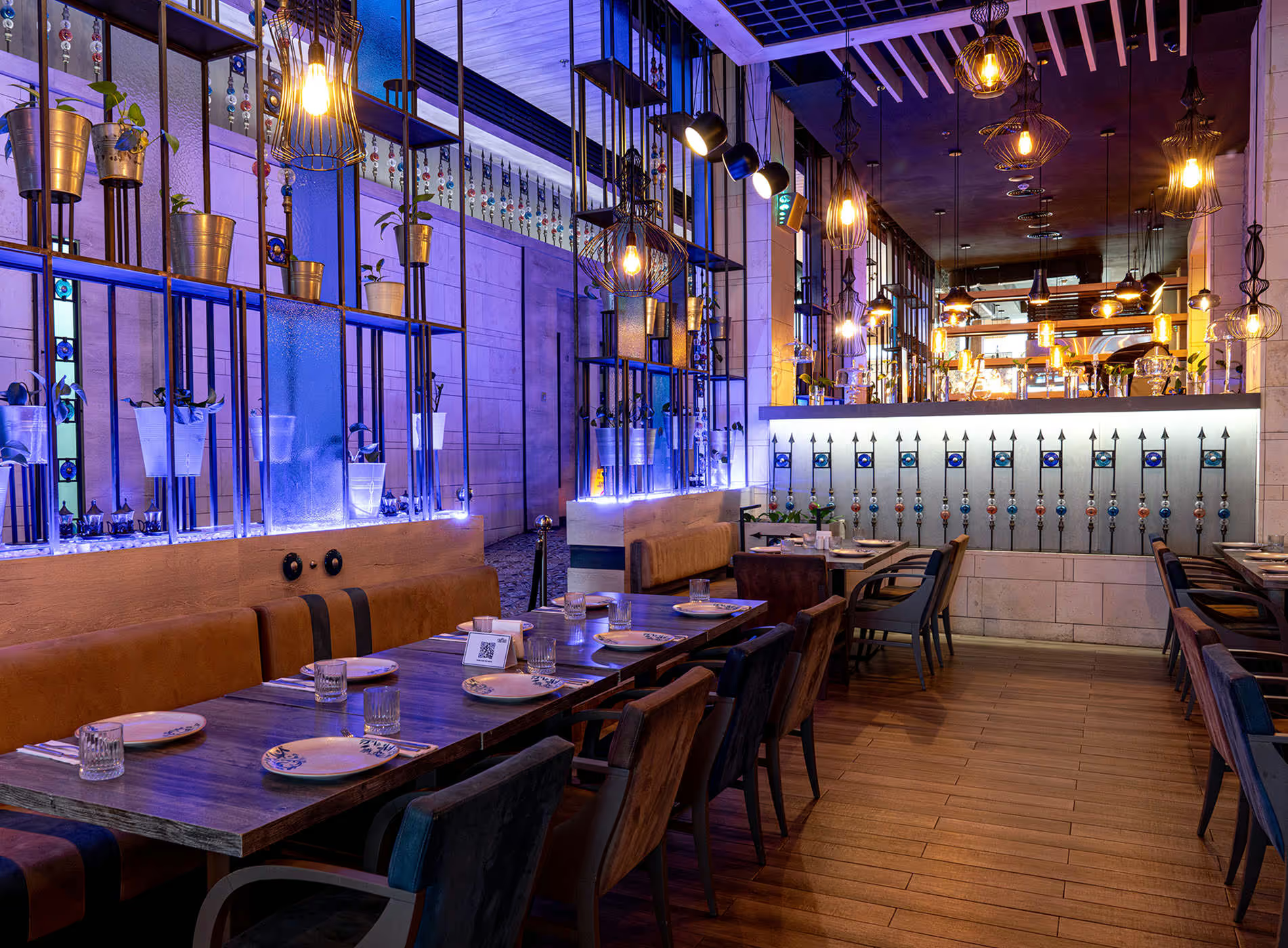
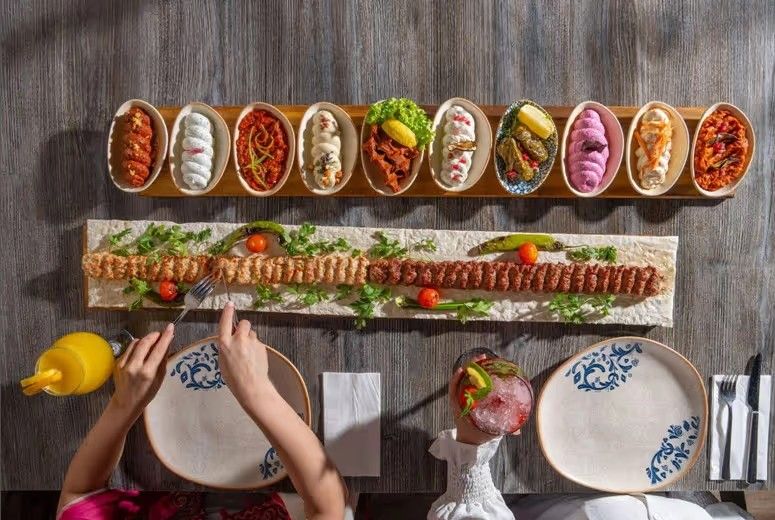
If you want to see what authenticity actually looks like, Turkish Village is a good example. It begins before the first bite arrives. The aroma of warm bread drifts through the space, mixed with smoke from the grill and the faint scent of brewed tea. That's part of the welcome people talk about. The food matters, of course, but so do the small details. Tea served the traditional way. Kebabs with that slightly charred, handmade texture you don't get from mass production. Nothing feels rushed. For a moment, it hardly feels like Dubai. It feels closer to a neighborhood spot in Istanbul. Maybe that's why so many guests return. They're not only coming back for dinner. They're returning for an experience that still feels genuine, something increasingly hard to find.
There is no replacement for time and fire. Modern ovens are great, but they can't replicate the char of a real charcoal grill. Authentic restaurants know this. They stick to the hard way because it is the right way. It takes more effort to hand-knead dough every morning. It takes more patience to brew tea the traditional way. But the result is undeniable. The flavors are deeper. The textures are more complex. Guests notice these small details. They might not know exactly why the food tastes better, but they feel the difference. These "micro-observations" are what separate the greats from the average.
The real test is simple. Sit down and try the food for yourself. Not the generic version. Not the menu adjusted to please everyone. Find a restaurant that takes pride in where its recipes come from. At Turkish Village, you notice little things. Warm bread hitting the table before you've settled in. The faint scent of charcoal in the air. Tea poured slowly, not rushed. Small details, maybe. But they change the whole meal. Personally, that's what makes dining memorable. It feels less manufactured. More honest. Food has a way of bringing people together when it's made with care. Take a seat, share a few dishes, and let the flavors do the talking. They usually have plenty to say.
Something interesting is happening in dining. The more digital life becomes, the more people seem drawn to experiences that feel real. A meal with a genuine story behind it often leaves a stronger impression than one built around trends alone. That may be why heritage driven restaurants continue to stand out. They hold on to family recipes, cooking methods, and traditions that have survived for decades. You can taste it sometimes. A slower cooked sauce. Bread made the old way. Flavors that don't feel copied from somewhere else.
In my view, authenticity has become one of the biggest reasons people return. Long after the plates are cleared and the bill is paid, it's usually those honest, rooted meals that stick in memory.
Ready to taste the real thing? Visit Turkish Village today and discover the true meaning of authentic Turkish hospitality. Book your table now and let us share our heritage with you.
Learn More About: What Makes Dining in Dubai Festival City Different?
Metric
2024 Data
2033 Projection
Global Ethnic Food Market
$58.4 Billion
$113.8 Billion
Independent Restaurant Share
62.45%
Growing
Consumer Global Flavor Interest
47% (Weekly)
75% (Expected)
What makes a restaurant truly authentic?
Authenticity comes from using traditional recipes and cooking techniques passed down through generations. It also involves sourcing specific ingredients that define a culture's unique flavor profile. Most importantly, it is about the genuine spirit of hospitality and storytelling behind the food.
Why is authentic food often more expensive?
Real cultural dining often requires specialized ingredients that are imported or harder to find. Traditional cooking methods, like wood-firing or long marinations, also take more time and labor. You are paying for the quality of the craft and the integrity of the heritage.
How can I spot a fake authentic restaurant?
Look at the menu and the cooking methods. If a place offers too many "fusion" dishes that don't make sense, it might be a sign. Authentic spots usually focus on doing a few things perfectly according to tradition. Also, pay attention to the small cultural details in the service.
Is authenticity still important in 2026?
It is more important than ever because diners are more informed and crave real experiences. In a crowded market, being genuine is the best way to stand out. People are looking for "soul" in their dining choices, which only authenticity can provide.
Where can I find authentic Turkish food in the city?
Turkish Village is widely recognized as a leader in authentic Turkish cuisine. They focus on traditional recipes, handcrafted kebabs, and the famous Turkish hospitality. It is the perfect place to experience the true flavors and culture of Turkey.