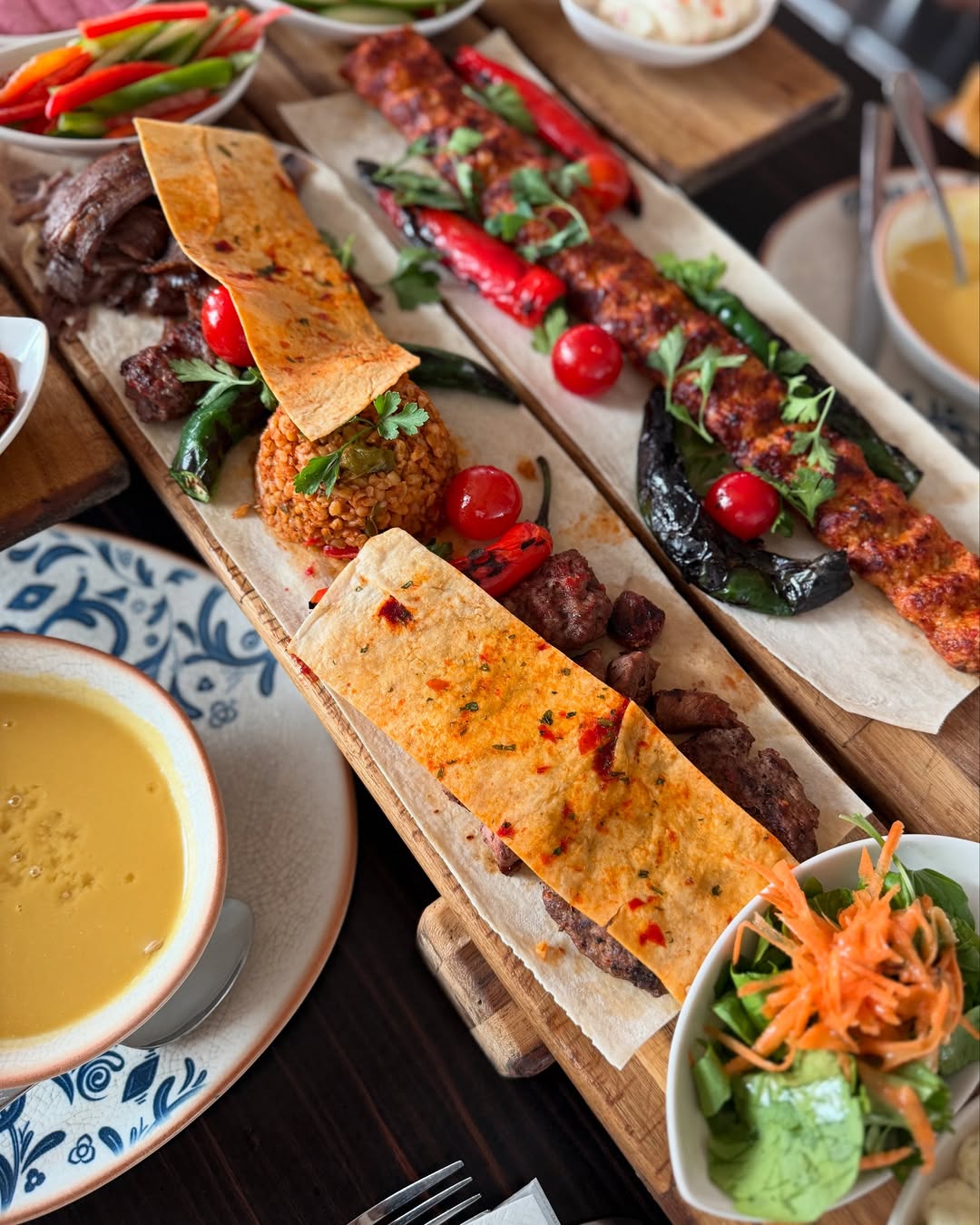
Turkish cuisine showcases bold flavors, time-honored cooking traditions, and a rich culinary heritage that has evolved for centuries. At Turkish Village, chefs follow authentic preparation methods that highlight the true essence of Turkish kebabs, from carefully selecting premium meat to grilling it over charcoal for a distinctive smoky aroma.
Each kebab reflects craftsmanship, balance of spices, and traditional cooking techniques passed down through generations. Visitors searching for a Turkish kebab restaurant in Dubai often seek this authentic experience, where quality ingredients, expert grilling, and warm Turkish hospitality come together to create a memorable dining moment inspired by the heart of Anatolian cuisine.
These Turkish kebabs demonstrate an extended culinary history in Anatolia. Cooks influenced the entire idea of kebab cooking to retain flavor, cook meat aptly, and gather people around the table. This type of cooking, over several decades, became a representation of Turkish hospitality and nurturing.
Chefs in Turkish villages are mindful of these age-old food traditions. They make kebabs in processes that are based on the Anatolian culture of cooking. Visitors do not just get grilled meat in the meal. They are savoring a meal that was made by history, family, dinner, and moments.
The history of Turkish kebab cooking started in Anatolia and Central Asia. The earliest cooks used skewers to put the meat on and cooked it via open fire. This technique was used to maintain the meat soft and juicy.
These techniques of cooking were later perfected by Ottoman cooks in palace kitchens. They brought on spices and better marinades and applied cautious grilling techniques.
Ottoman palace kitchens raised kebab cooking into a respected food craft. Royal cooks tested spices, cooking styles, and serving methods.
Many techniques from that period remain common today.
Chefs still use methods such as:
These methods still guide authentic Turkish kebab cooking today.
Read More: Best Kebab Dishes to Try at Turkish Village Jumeirah
Kebabs are a uniting factor of food and meals. Various Turkish households join fresh kebabs during special events. The food encourages one to share with family members and friends.
People enjoy kebabs during family meals and festive gatherings. The serving style encourages sharing and relaxed conversation.
Kebabs often appear during:
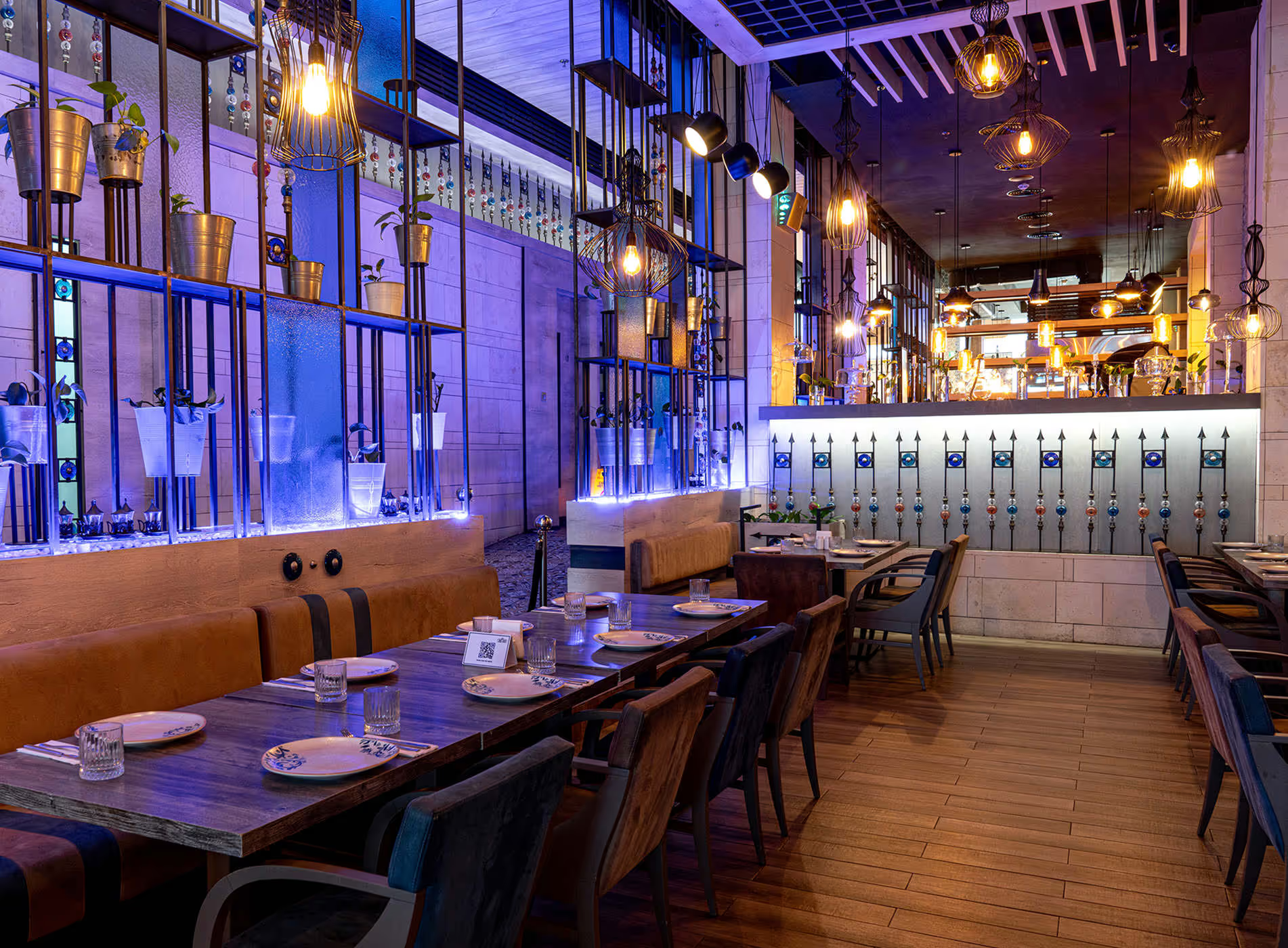
At Turkish Village, guests enjoy the same dining tradition. Skilled chefs prepare kebabs using authentic methods. The warm setting reflects the spirit of Turkish hospitality and food culture.
Authentic Turkish kebabs are influenced by fresh ingredients in their taste. Expert cooks concentrate on balance, freshness and proper preparation of the food prior to being grilled. Individual ingredients help contribute to texture, aroma, and taste.
In Turkish Village, the chefs work based on solid cooking skills and quality ingredients. This method does not interfere with the Turkish culture of food and cooking. Visitors will be served with the delicious kebabs, which are full of authenticity and quality.
High quality meat forms the base of every great kebab. Chefs choose lamb, beef, or chicken based on freshness and texture. Careful meat selection helps the kebab stay juicy after grilling.
Professional chefs follow clear standards when selecting meat.
They focus on:
This careful process helps chefs maintain flavor and consistent quality.
Herbs and spices add depth to Turkish kebabs. Chefs use simple seasonings that support the natural flavor of the meat.
Traditional spice blends add flavor without overpowering the meat.
Chefs often use:
These spices create the classic taste many guests expect from Turkish kebabs.
A good marinade improves flavor and tenderness. Chefs mix natural ingredients that allow spices to enter the meat.
Traditional Turkish marinades use simple and trusted ingredients.
Chefs commonly include:
This step allows the meat to absorb seasoning before grilling. At Turkish Village, chefs follow these trusted methods to deliver true kebab flavor.
The process of making Turkish kebab starts much earlier than the grill becomes hot. Experienced chefs take meticulous measures in order to preserve taste and texture. Every stage will need skill and care.
In Turkish Village, cooks use generations of Anatolian techniques in cooking. This is an indication of good cooking knowledge and experience.
The meat is cut manually by the chefs to maintain size and texture. This will assist to even cook the meat on the grill. Machines may destroy the natural makeup of meat. Tenderness and texture are safeguarded through hand cutting.
Professional chefs follow clear cutting standards.
They focus on:
Precise cutting helps each piece cook evenly and stay tender.
After cutting, chefs place the meat on metal skewers. Proper placement controls heat during grilling. This method also prevents uneven cooking.
Chefs follow simple techniques to balance heat and airflow.
They usually:
This arrangement supports steady charcoal cooking and strong flavor.
Resting time plays a key role in kebab preparation. Chefs allow the meat to sit in marinade before grilling. This step deepens flavor and softens the meat.
Chefs understand how marinade changes the final taste.
Proper resting allows:
At Turkish Village, chefs respect these preparation steps to maintain authentic kebab quality.
Authentic Turkish kebabs require more than grilling meat. Chefs combine traditional preparation, premium ingredients, and expert charcoal grilling to create the rich flavor people expect from Turkish cuisine. At Turkish Village, skilled chefs follow these time honored techniques every day.
Their experience, dedication to quality ingredients, and respect for Anatolian cooking traditions ensure that every kebab delivers genuine flavor and craftsmanship. If you want to enjoy traditional Turkish kebabs prepared by skilled chefs and served with warm hospitality, visit Turkish Village.
Taste authentic flavors, relax in an elegant setting, and experience the rich food heritage of Turkish cuisine. Book a reservation at Turkish Village today and enjoy a memorable dining experience with family and friends.
Read More: What’s Inside a Traditional Turkish Kebab Platter?